Practice closedClosed
Practice closedClosed
Admission in the morning, home the same evening · Enhanced recovery protocol
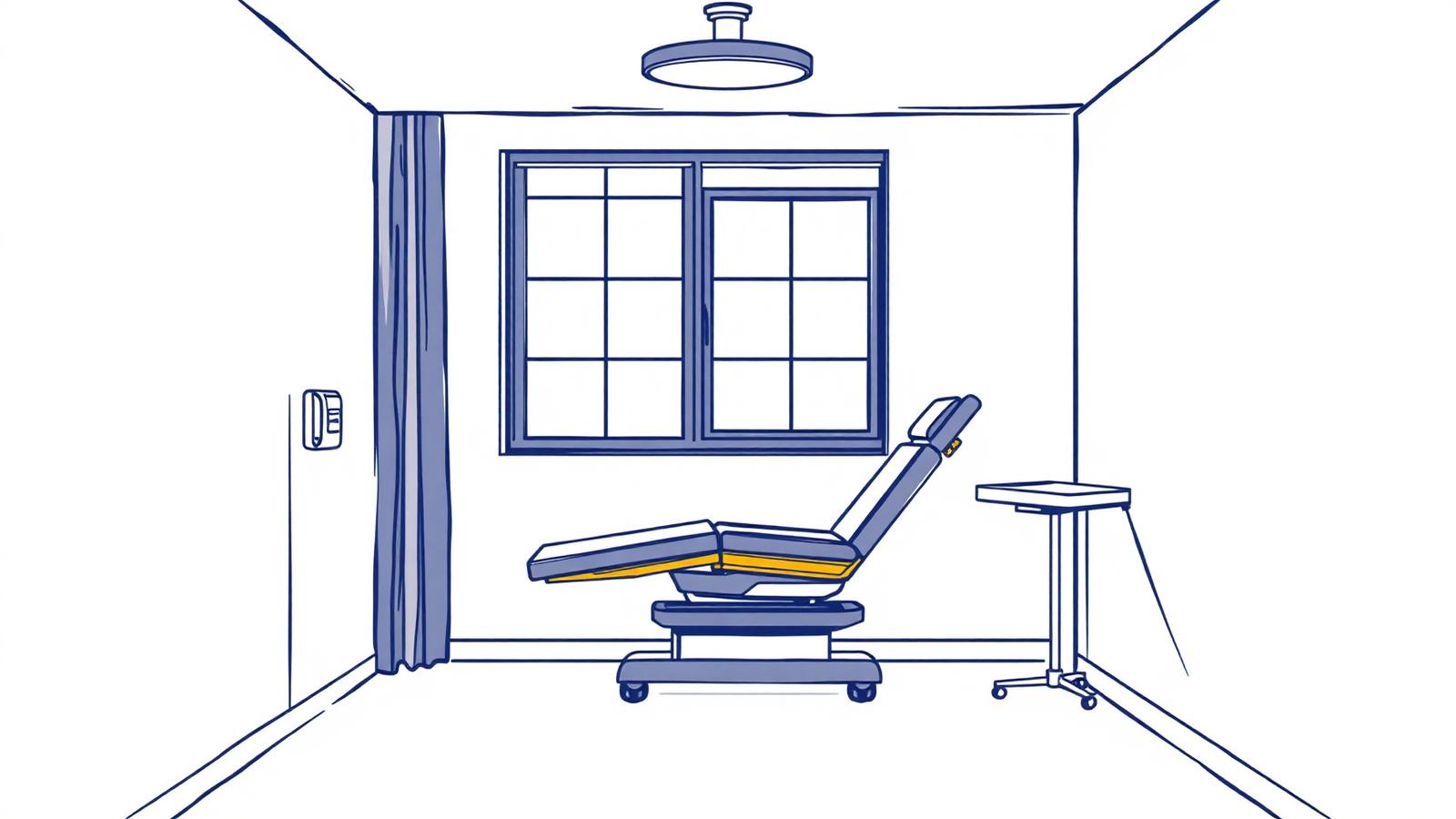
Outpatient surgery, or day-case surgery, consists in performing a scheduled surgical procedure with same-day admission and discharge, with no overnight stay in the clinic. Discharge home usually occurs between 4 and 6 PM, after full medical clearance.
Recognized as the reference organization by the French High Authority for Health (HAS), it offers major benefits: reduced nosocomial infection risk, better sleep quality at home, faster psychological recovery, less decompensation in elderly patients.
Dr Charousset performs 92% of his activity as outpatient surgery, including 96% of shoulder procedures and 78% of total shoulder arthroplasties, one of the highest rates in France. This organization relies on three pillars: regional anesthesia (interscalene block, femoral block), minimally invasive arthroscopic surgery, and the ERAS protocol (Enhanced Recovery After Surgery).
Pre-anesthetic assessment, additional test prescriptions if needed, patient booklet handover.
Arrival time confirmation, reminder of instructions (fasting, pre-op shower, medications to suspend).
Reception, room settling, skin preparation, marking of the operated side, meeting with the anesthesiologist and surgeon.
Surgery primarily under regional anesthesia, average duration 45 to 90 minutes depending on pathology.
Post-op monitoring, first snack, mobilization, initial physiotherapy if needed.
Accompanied discharge after medical validation. Prescriptions, sick leave and follow-up appointment provided before departure.
Phone contact by the clinic the next day to assess pain, scar, and answer questions.
Clinical review at 3 weeks, rehabilitation protocol adjustment.
The vast majority of patients are eligible for outpatient surgery. Criteria are assessed during the surgical and anesthesia consultations.
The precise details of your outpatient surgery are outlined during the surgical consultation and the anesthesia consultation that follows.